 Before we can see any benefits from Turmeric, we need to first clarify the term, “depression”. There is quite a significant difference in “depression” and “clinical depression”. When you feel sad over the loss of someone close, or in grief because of loss of a job, etc., you are said to be “depressed”. It’s something that lingers with you for a while, but you can eventually get out of it. This type of depression doesn’t see any harm coming to your health, lifestyle, or day-to-day activities. This is perfectly normal and everyone goes through this at some point in their life.
When your depression takes over your life, where you can’t even get up out of a chair because of the heaviness of it all, or when you can’t sleep but an hour here and there, or you have continuous thoughts of suicide, you get labeled, “clinically depressed”. This in itself adds to your depression as friends and loved ones “try to help” by telling you to “cheer up” or “just get over it”. If I speak as one who truly understands this, it’s because I’ve lived it, and continue to struggle with it. Clinical depression isn’t a temporary mood swing, it’s a chemical imbalance in your head that doesn’t allow you to process things correctly. When I speak to others who can’t understand it, I often tell people that it’s very similar to diabetes. Something isn’t processing right, and you have to take “Something” to help correct the imbalance. Diabetics have monitors to help them figure out what they need to correct, but Clinically depressed people don’t have anything to help measure what’s going on in their brains. They just have to try different “cocktails” to try to find something that works. A lot of them take some form of Prozac every day to help their symptoms and get them back into being an active participant in life.
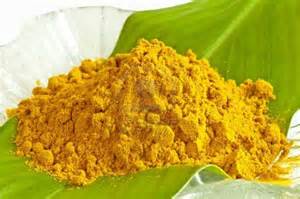
Studies now show that the main ingredient in Turmeric, Curcumin, has had significant response in those with depression, both mild and clinical. Exciting!!! In one small study of 60 participants, one group took Prozac, another group took a gram of Curcumin and the third group took both Prozac and Curcumin. After 6 weeks, the Curcumin had led to improvements that were similar to Prozac, withOUT the side effects of Prozac. Which one had the best results? The group that took both the Prozac and Curcumin saw marked improvements in their symptoms. Can Curcumin be as effective as an anti-depressant? Speaking as a long sufferer of clinical depression, I won’t be throwing out my medications to go strictly on this one study’s results. However, the results DID convince me to take Curcumin supplements as well as my prescribed meds. I found a great deal on Amazon, which combines the Curcumin with Bioperine for the most effective results. We’ll see over time if it helps with my arthritis for sure. My brain, well, that’s something I can’t properly judge, but I’m hoping for the best! 🙂
 The Sensitive Eater