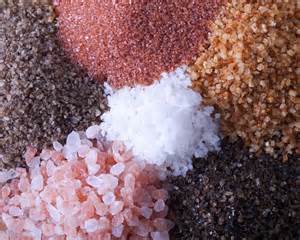
 Salt. Have you ever wondered about all the (seemingly new) varieties of salt? I have. What kind is good for me, what kind should I use and when? So, I decided to dive into the salt situation and share my findings with you. 🙂 Now, for some of you, who need to cut down on your salt intake, this blog could still be beneficial for you, so read on! In my situation, with eating NO processed foods, I actually don’t get enough salt, believe it or not. The only salt intake I have is whatever I put on my dinner, so salt matters to me. Plus, being a chef, I want to know about all the different ways to enhance food. Here we go!
Table Salt: Refined salt is mined from underground salt deposits, and contains more sodium chloride (97% to 99%) than sea salt. This is what you usually find in salt shakers at dining tables and restaurants. Most table salts contain additives such as anti-caking agents and iodine, an essential nutrient. Some old-schoolers will even add rice to salt shakers to keep the salt loose, but since I can’t have rice, I have to always examine the salt shakers they put on the table.
Kosher Salt: Kosher salt originates from either the sea or the earth and is so named for its use in the preparation of meat according to Jewish dietary guidelines. However, not all Kosher salt is certified Kosher, so if that is important to you, read the labels! Kosher salt dissolves easily and quickly, making it a good all-purpose salt.
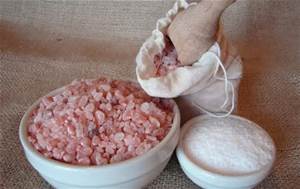 Himalayan Pink Salt: The newest “rage” is the salt mined from the Himalayan mountains. A very long time ago, crystallized sea salt beds, now deep within the Himalayans, were covered by lava. Aside from being kept it in a pristine environment that has been surrounded by snow and ice year round, the lava is thought to have protected the salt from modern-day pollution leading some to believe that Himalayan Pink salt is the purest salt to be found on earth. It is now hand-mined from the mountains and brought to market. The pink color is an indication of this salt’s rich, varying mineral and energy-rich iron content. There are over 80 elements and minerals found in Himalayan salt. Here are some of the benefits people have discovered from adding pink salt to their diets:
- Creates an electrolyte balance
- Increases hydration
- Regulates water content both inside and outside of cells
- Balances pH (alkaline/acidity) and help to reduce acid reflux
- Prevents muscle cramping
- Aids in proper metabolism functioning
- Strengthens bones
- Lowers blood pressure
- Helps the intestines absorb nutrients
- Prevents goiters
- Improves circulation
- Dissolves and eliminates sediment to remove toxins
Some even say it helps support libido, reduces the signs of aging, and detoxifies the body from heavy metals.
That’s packing quite a punch for just a “salt”.
One of the other uses for Himalayan salt comes in the form of a Salt Block. During a recent class at Sur La Table, we got to see the salt block used to cook shrimp, and it was AMAZING!!! No salt was needed for the recipe, and the shrimp came out perfect! No, it wasn’t too salty, it was just right. Basically, you heat the block up in the oven, remove it, and cook away. Clean up is easy, just use water, and it takes that top layer right off. You use the block many times, then when it starts to crumble, you have your own Himalayan salt to put in grinders! It’s a great thing!
Lots more types of salts to cover, so stay tuned!!
 The Sensitive Eater
One thought on “The Salt of the Earth”